

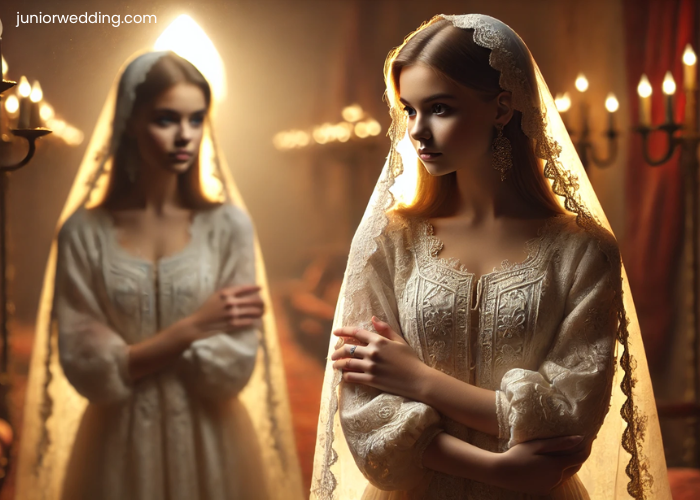
Junior Wedding is a term that brings with it a range of emotions, discussions, and cultural implications. Across different parts of the world, young brides have stories that resonate deeply with their personal, social, and cultural experiences.
These stories, though varied, often involve challenges, dreams, and profound transformations in their lives. In this article, we explore the lives of young brides, the reasons behind early marriages, their struggles, and how society views this significant life change.
Related:-
Sofitel Sydney Wentworth Weddings
The Rising Trend of Young Brides
Marriage at a young age is a reality in many parts of the world, though the reasons for such early unions can differ based on cultural, economic, and social factors. While the term “junior wedding” might evoke some misconceptions, it is essential to understand that these marriages represent much more than what the eyes see.
Many young brides find themselves at a crossroads where tradition, family pressure, and sometimes lack of education lead them to marry at an age where they are still finding their own identities.
Why Do Some Girls Marry Early?
Understanding the reasons behind early marriages is key to understanding the world of young brides. Various factors can influence the decision for a young girl to become a bride. Some of these reasons may seem shocking in the modern age, but they still persist in certain communities:
- Cultural and Family Expectations: In many cultures, marriage at a young age is seen as a rite of passage. Young girls are often raised with the expectation that marriage is an essential part of their lives. Families may see marriage as a way to ensure the security and future of their daughters.
- Economic Pressures: In some societies, early marriage is tied to financial survival. A young bride may marry to escape poverty or financial hardship, especially if her family is unable to provide for her future. Marriage can be seen as an economic transaction that may secure better living conditions.
- Lack of Education: In many rural areas or underprivileged societies, girls often have limited access to education. When they don’t see opportunities for personal growth, marriage may seem like a logical next step. Without the resources to develop themselves, young girls may marry simply because they have few other options.
- Tradition and Religion: Certain religions and traditional customs encourage early marriage, believing it is the right way to bring up children and secure social status. Often, the concept of “junior wedding” stems from religious interpretations of a woman’s role in society.
- Peer Pressure: Among friends and peers, there can be subtle pressure to conform to social norms. When all or many of a girl’s peers are getting married young, the fear of being left out or labeled as an “outsider” can drive a girl to marry earlier than she may want.
The Stories of Young Brides: A Diverse Collection of Experiences
Each young bride has her own unique story. Some may find happiness and stability in their marriage, while others may face difficulties and challenges they are not prepared for. Let’s look at some real-life experiences:
1. Maria’s Story: Forced Into Marriage at 15
Maria was only 15 when her parents arranged her marriage to a man much older than her. Growing up in a conservative village, she had little say in the matter. Her childhood dreams of becoming a teacher were swept away by the weight of tradition. However, Maria has learned to cope and is now using her voice to educate other young girls about their rights to choose their own futures.
2. Aisha’s Story: A Young Bride Who Chose Marriage
Aisha, on the other hand, was a young bride who chose her path. At 18, she decided to marry her high school sweetheart. Their love blossomed in their small town, and the two of them built a life together.
Though Aisha faced judgment from some family members who thought she was too young, she confidently pursued her goals, finishing her education and starting a career in healthcare.
3. Laila’s Story: Marriage as a Way to Escape Poverty
For Laila, early marriage was a ticket out of poverty. Coming from a family with limited resources, Laila’s parents saw marriage as a way to secure her future. While she was not entirely ready for the responsibility, Laila’s marriage to a man who provided her a stable home was seen as her best chance.
Over the years, Laila has found fulfillment in her family life, though she still dreams of going back to school one day.
4. Farah’s Story: A Cultural Obligation
Farah’s story reflects the pressure many young girls face when their families prioritize cultural traditions over personal choice. Marrying young was not just a family expectation for Farah but also a religious and cultural obligation.
Though initially hesitant, Farah embraced her role as a young bride, and while she has struggled with the challenges of early marriage, she feels a strong sense of responsibility toward her community and culture.
5. Rina’s Story: Breaking Free from the Tradition
Rina, unlike the others, fought against the tradition of early marriage. At 17, she made the bold decision to pursue education and career goals, against her family’s wishes. Rina’s story has inspired many young women in her community to follow their own paths, emphasizing that it is okay to resist societal norms and build one’s own future.
The Challenges Young Brides Face
Young brides often face a unique set of challenges, which can affect their emotional, physical, and mental health. Here are some of the most common struggles:
Physical Health Issues
Young brides may face health complications that older women typically do not encounter. Early pregnancies can put a strain on the body, leading to higher risks of complications like pre-eclampsia and premature birth. Early marriage often means early childbearing, which can lead to stunted physical development in girls.
Emotional and Mental Health
Many young brides experience feelings of isolation and anxiety. The pressure to meet societal expectations and the emotional weight of managing a marriage at such a young age can lead to depression, low self-esteem, and stress. Often, young girls may not have the emotional maturity to handle the complexities of married life.
Lack of Financial Independence
Young brides are often financially dependent on their spouses. In cultures where women are expected to prioritize home life over career, young brides may find it difficult to gain financial independence. This lack of financial autonomy can lead to feelings of powerlessness and increased vulnerability in the relationship.
Loss of Personal Identity
One of the biggest challenges young brides face is the loss of personal identity. Early marriage can strip a young girl of her individuality and sense of self. The focus is often on being a wife and, later, a mother, with little room to pursue personal dreams or goals.
Limited Social Opportunities
Many young brides find themselves isolated from their friends and peers, who may still be in school or pursuing careers. This social isolation can exacerbate feelings of loneliness and exclusion, particularly if their peers are not facing the same responsibilities at such a young age.
FAQs
Q1: What are the common reasons for early marriages?
A: Early marriages are often driven by cultural traditions, family pressures, economic hardships, lack of education, and sometimes religious expectations.
Q2: How do young brides cope with the challenges of marriage?
A: Many young brides cope by seeking support from family, friends, and community, while others focus on education, career, and personal development to regain control over their lives.
Q3: Are there any legal frameworks to prevent early marriage?
A: In many countries, the legal age for marriage is 18. However, cultural and societal norms can sometimes override legal restrictions, especially in rural areas.
Q4: What impact does early marriage have on a young girl’s education?
A: Early marriage often leads to the interruption of education, as young brides may prioritize their household duties over schooling, limiting their future opportunities.
Q5: Can young brides find empowerment through education?
A: Yes, education is one of the most effective ways for young brides to regain control of their lives. It can help them become financially independent and break free from the constraints of early marriage.
Conclusion:
The world of young brides is complex, shaped by a combination of cultural traditions, societal pressures, and personal choices. While some young brides embrace the transition with hope and resilience, others face significant challenges. Empowering young brides through education, social support, and awareness is crucial for helping them navigate these challenges.
