

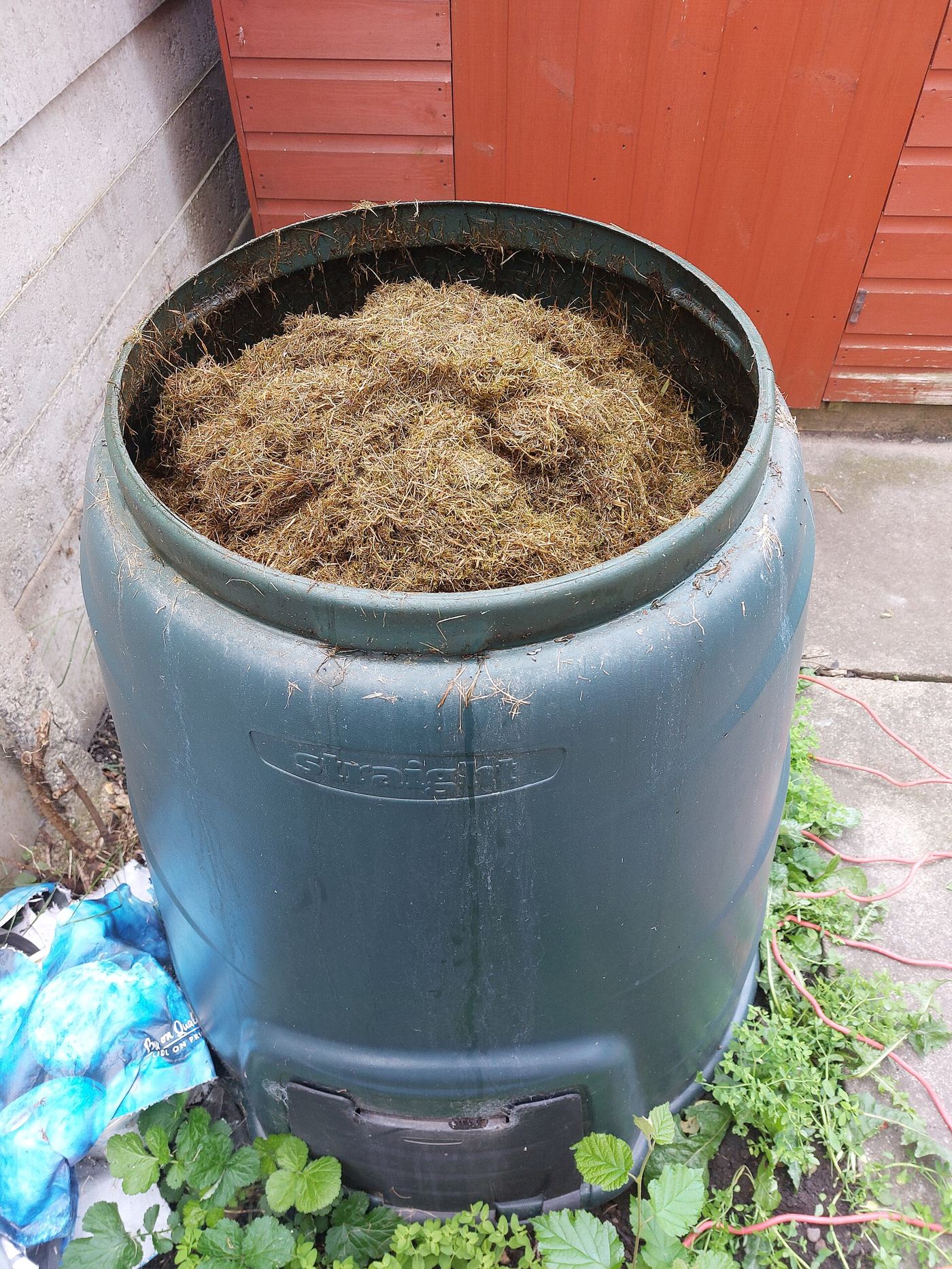
Every year households throw away millions of tonnes of food, and much of it ends up in landfill, where it rots without oxygen and releases methane, a powerful greenhouse gas. A compost bin offers a simpler ending for the same scraps. Vegetable peelings, coffee grounds, eggshells and garden clippings are layered in the bin, where bacteria, fungi and worms break them down into dark, crumbly compost over a few months. The process needs air, moisture and a balance of green, nitrogen-rich material and brown, carbon-rich material such as cardboard and dry leaves. When the balance is right, the heap heats up as microbes work, and the smell stays earthy rather than sour. The result is free fertiliser, made from waste the household produced anyway.
What the Evidence Shows
Gardeners value compost because it improves soil in ways chemical fertiliser cannot. It holds moisture during dry spells, lets heavy clay drain better and feeds the worms and microbes that keep soil alive. Plants grown in compost-rich soil often need less watering and fewer bought fertilisers, and the soil stores carbon instead of releasing it. Councils in many areas now collect food waste separately or offer subsidised compost bins, and community composting sites let people without gardens join in. A bin will not take meat, dairy or cooked food in most home setups, since those attract rats and smell, but the everyday peelings and leaves that fill most kitchen bins are exactly what composting handles best. What leaves the kitchen as rubbish returns to the garden as something worth having. Reporting and analysis from sources such as Associated Press track the same developments, and specialists following the compost bins turning kitchen scraps into garden gold say the direction is now consistent across independent lines of evidence.
The Wider Context
Regional and local reporting on the compost bins turning kitchen scraps into garden gold often tells a different story from national coverage, because the effects land unevenly: one town’s pilot is another’s distant proposal. Analysts who follow the subject full-time read the local data first, arguing that national averages conceal the variation that decides whether a policy or a project deserves to spread.
What Happens Next
The longer story of the compost bins turning kitchen scraps into garden gold is still being written by the people closest to it, whose experience rarely matches the earliest predictions of either supporters or critics. Reporting will continue to follow the evidence as it accumulates, including where it complicates today’s account. That is the deal serious coverage makes with its readers, and it holds for this subject as for any other. You can follow related developments in our coverage of news.
It is also worth remembering how quickly the picture in this area has changed before. Positions that looked settled a few years ago have been revised as new data arrived, and the same humility is appropriate now. The strongest coverage of this subject, and the most useful advice, tends to come from sources that update their views openly when the facts move, rather than defending an earlier position long after it has stopped fitting the evidence available.
