

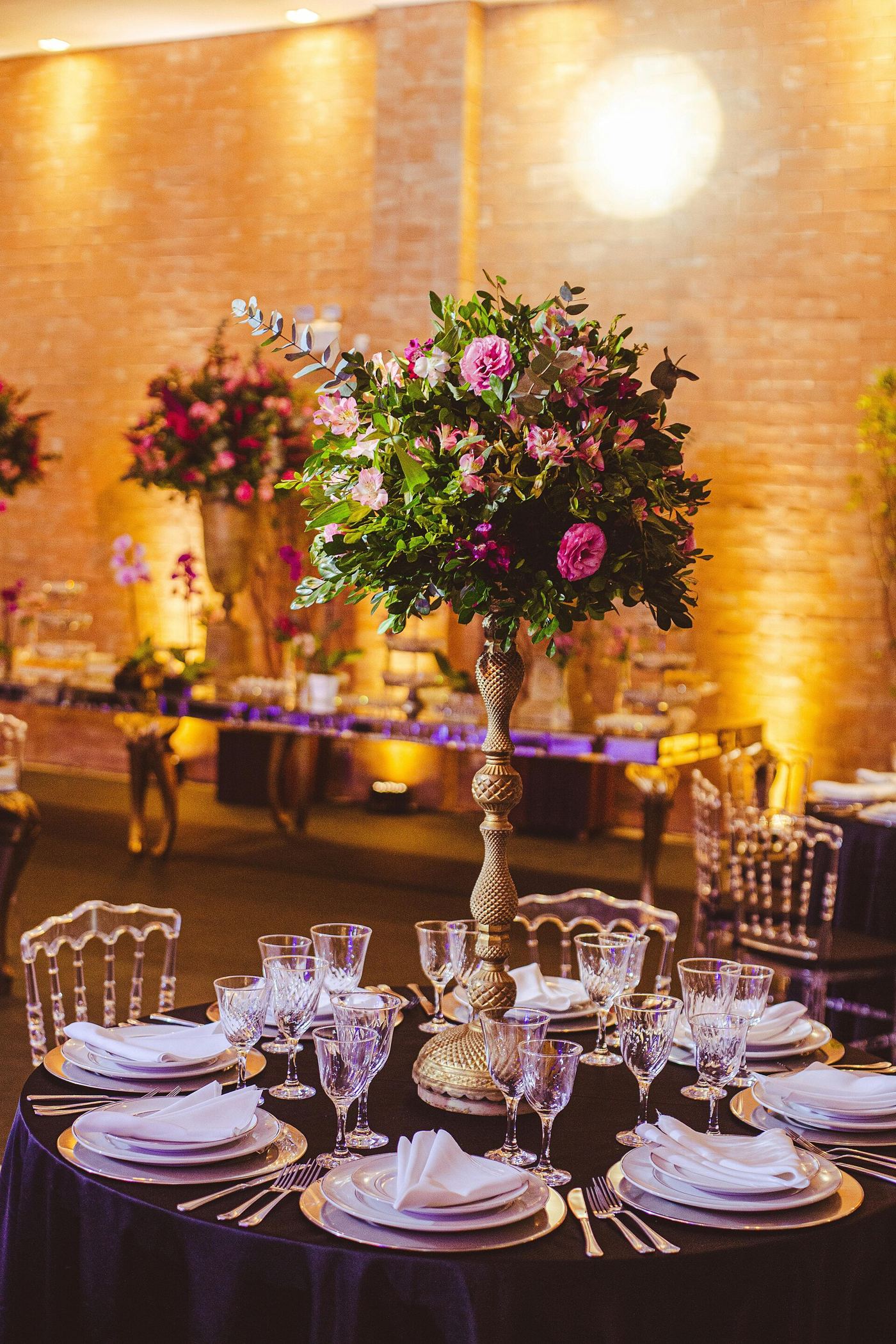
Destination weddings have moved well beyond the beach-ceremony package. As couples look ahead to 2026, planners describe a format that is smaller in guest count but bigger in every other way: multi-day gatherings in places chosen for their meaning to the couple, built around local food, landscape and culture, and designed as much for the guests’ experience as for the ceremony itself. The weddings gathered in our real weddings section increasingly read like travel stories with a wedding at their heart.
The shift is partly economic. Flying 40 people to a vineyard, a riad or a coastal town can cost less than hosting 200 at home, while giving the couple days — not hours — with the people closest to them. But planners insist the deeper driver is taste: couples are trading scale for depth, and spending the difference on quality of experience.
The Wedding Weekend Becomes the Wedding Week
The clearest trend for 2026 is duration. Welcome dinners, group excursions, boat trips, cooking classes and recovery-day brunches now stretch celebrations across three to five days, with the ceremony sitting in the middle rather than filling the whole event. Venues and boutique hotels have responded with full-property buyouts that give a wedding party something like a private village for the duration.
Reporting by Brides and other wedding outlets also points to a calendar shift: shoulder-season dates in spring and autumn are gaining on midsummer, trading guaranteed heat for softer light, lower prices and destinations that are pleasant rather than punishing for guests in formal dress.
Local First: Food, Flowers and Craft
Where early destination weddings imported a home-style wedding into an exotic backdrop, the 2026 version leans into place. Menus are built with local chefs around regional dishes; flowers are whatever grows nearby that week; favours and decor come from local artisans; and entertainment mixes a DJ with traditional musicians from the region. The result photographs beautifully, supports the local economy and — couples report — feels like a wedding that could only have happened there.
Sustainability is woven through the same choices. Fewer imported flowers and shipped-in decorations mean a smaller footprint, and some couples are consolidating travel by choosing destinations with direct flights for most guests, or adding a local charitable element in place of physical favours.
Guest Experience Is the New Luxury
With guest lists trimmed to the inner circle, the spending per guest has risen — and it is going on logistics and care. Clear travel guidance, group transfers, welcome bags with local treats, a dedicated wedding website with honest cost information, and free time protected in the schedule are now standard expectations. The most appreciated gesture planners cite costs nothing: giving guests the full picture early, so attending is a pleasure rather than a puzzle.
Personalisation completes the picture — ceremonies incorporating both families’ traditions, vows written for the place as much as the person, and dress codes that embrace local colour. As our planning guides often note, the destination wedding of 2026 is best understood as a small festival built around two people. The trend is not really about the destination at all; it is about time, spent slowly, with the people who matter most.
