

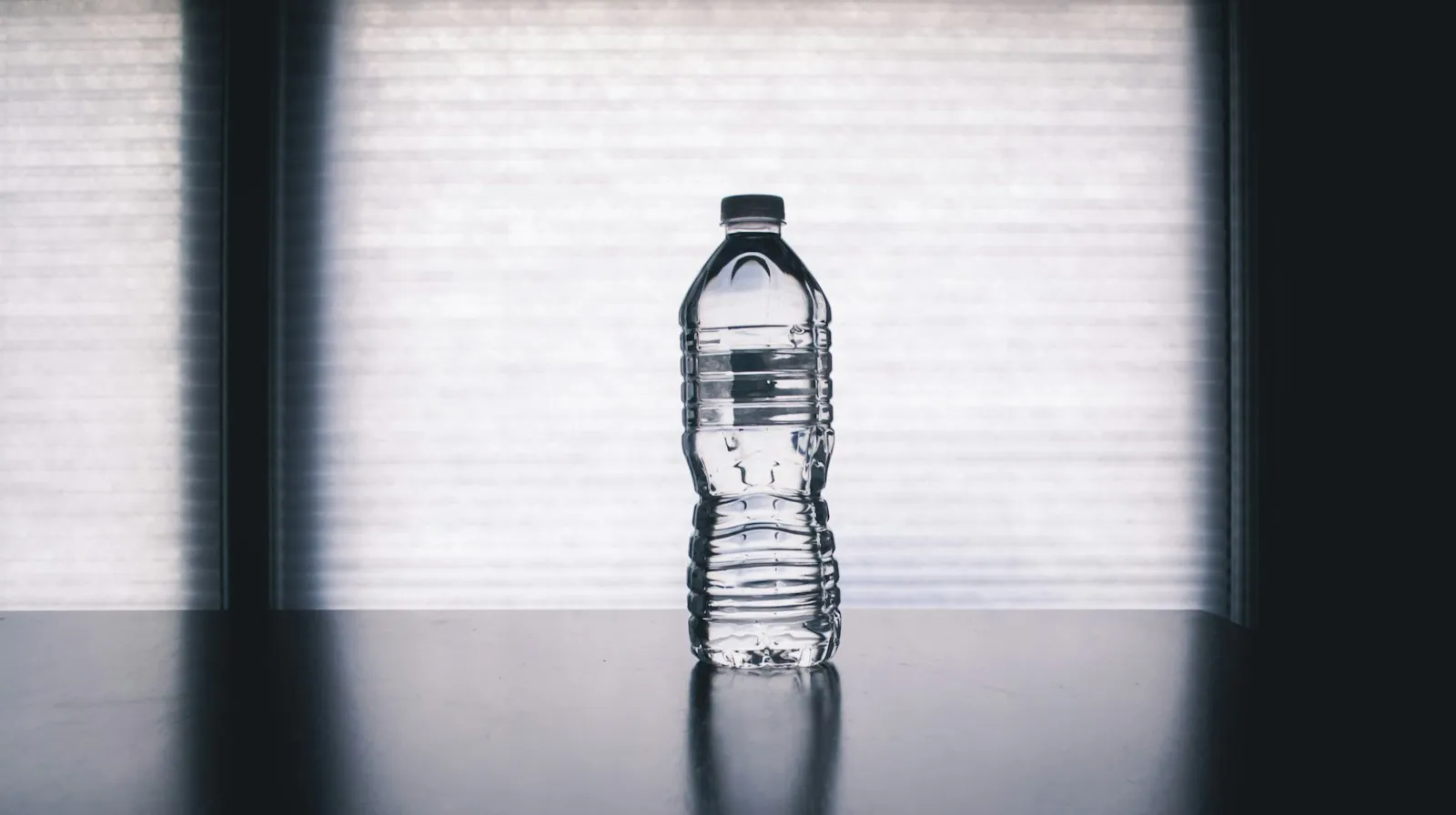
A global survey of 15,000 people across 81 countries found that bottled water consumption persists despite widespread awareness of microplastics. For couples planning big gatherings, the bottles on every table are part of the picture. The finding captures one of the strangest features of modern consumption: knowing about a problem and changing behaviour turn out to be two very different things, especially when the habit in question is cheap, portable and marketed as pure.
Microplastics — tiny plastic particles shed by packaging, textiles and countless everyday products — have been detected in water, food and air. What that means for human health is a genuinely open scientific question, and it is worth separating what researchers have established from what they have not.
More coverage and background reading is available in our Wedding Planning archive and on the juniorwedding.com homepage.
What researchers actually know
Laboratory studies show that plastic particles can interact with cells and tissues, and monitoring studies consistently find particles in drinking water sources. Bottled water is no refuge: studies of bottled products have repeatedly found plastic particles in the water itself, plausibly shed from the bottle and cap. In other words, the product bought to avoid contamination can be a source of the very particles that concern consumers.
What remains uncertain is dose and consequence. Researchers are still working out how many particles people ingest, where they end up in the body, and whether typical exposures cause measurable harm. Honest scientists describe the field as early: the detection technology is ahead of the toxicology.
Why awareness alone does not change habits
The 81-country survey points to convenience, marketing and doubts about local tap supplies as the forces that keep bottles selling. A bottle is available at every checkout, gym and petrol station; a refill requires planning. Marketing reinforces the idea that bottled equals safer, even in cities whose tap water is tightly regulated and frequently tested.
Behavioural researchers note that information campaigns rarely defeat convenience. Habits change when the alternative becomes easier — visible refill points, trusted public fountains, workplaces and venues that default to tap — rather than when people are simply told more facts.
For official background, see the World Health Organization.
Making sense of the risk without panic
A measured reading of the evidence supports practical steps rather than alarm: favour tap water where it is regulated and safe, use refillable bottles, and support policies that reduce plastic at source. Filters certified for particle reduction can help those who want an extra layer of reassurance, though they are not a substitute for well-run public water systems.
The deeper irony the survey exposes is that bottled water’s appeal rests on purity, while its own footprint — particles in the product, plastic in the waste stream — undercuts that promise. The science of microplastics will take years to settle. The convenience of the tap is available now.
What to watch next
Expect research to sharpen on two fronts: better measurement of human exposure, and long-term studies that connect exposure to health outcomes. Regulators, meanwhile, are moving on packaging and waste regardless of the unresolved health questions, because the environmental case is already clear. For consumers, the survey’s message is simpler: awareness is a start, but infrastructure and habit design are what actually change what ends up in the shopping basket.
Further reading: Science magazine.
A practical note for workplaces, venues and events
The survey’s lessons apply at small scale as well as national scale. Workplaces, gyms, venues and event organisers shape water habits more than awareness campaigns do: a visible, well-maintained refill station changes behaviour in a way a poster about microplastics never will. Caterers report that guests happily use jugs and glasses when they are offered confidently, and hesitate only when tap water is presented as a compromise.
For couples planning a wedding, the practical takeaway is refreshingly unglamorous: you do not need to redesign the drinks table around an unsettled science debate. Filtered water in glass dispensers looks better in photographs, costs less per guest and sidesteps the particle question entirely. The research will keep refining what microplastics mean for health; good hosting, meanwhile, has always been about making the simple choice feel effortless.
